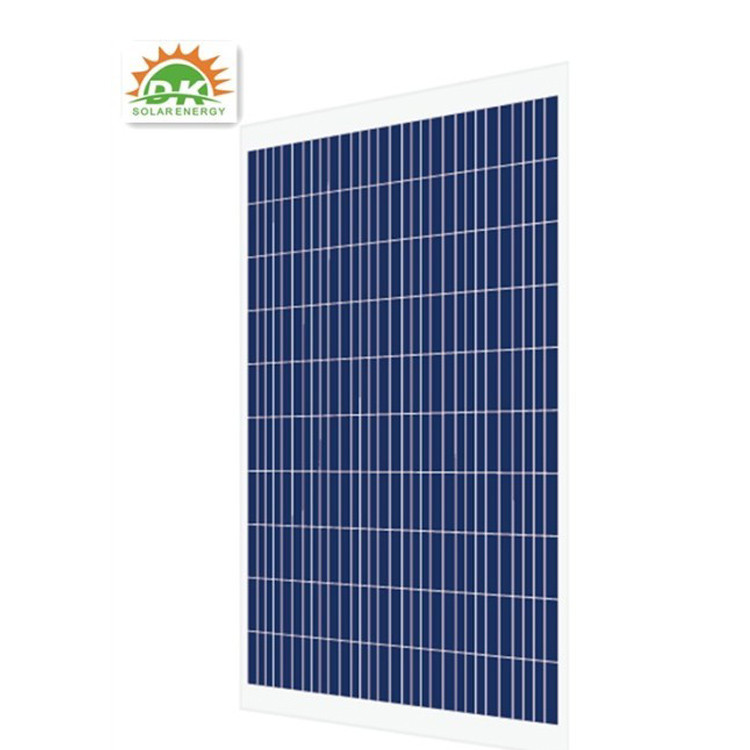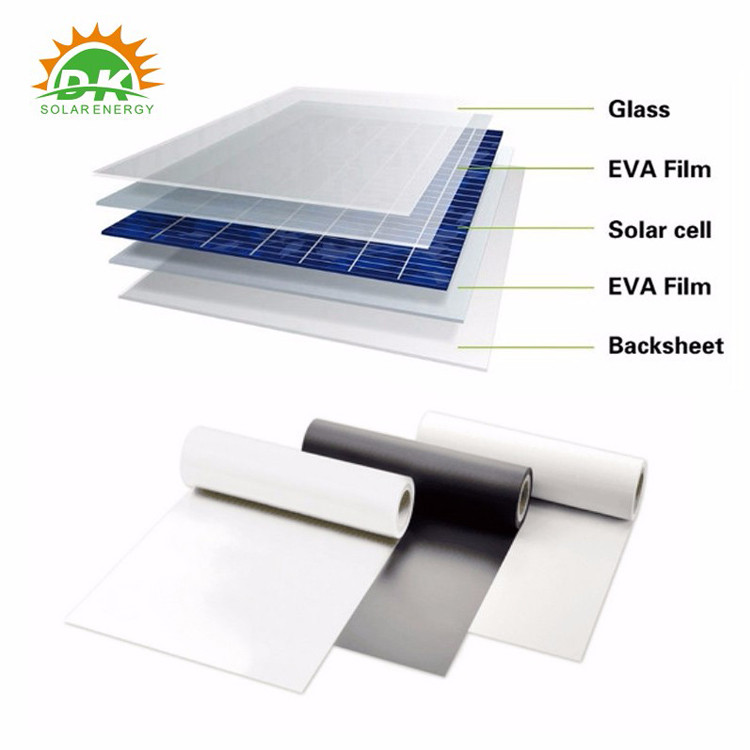
**Monocrystalline PERC Technology: A Breakthrough in Solar Energy Efficiency**In recent years, the solar energy sector has witnessed remarkable advancements aimed at improving the efficiency and affordability of photovoltaic (PV) systems. Among these, Monocrystalline PERC (Passivated Emitter and Rear Cell) technology stands out as a significant innovation that promises to enhance solar panel performance, making renewable energy more accessible and sustainable across the globe.### What is Monocrystalline PERC?Monocrystalline PERC solar cells belong to a new generation of photovoltaic technology distinguished by a unique cell structure designed to capture and convert more sunlight into electricity. Traditional monocrystalline solar cells have already been known for their high efficiency and sleek black appearance, but PERC technology introduces an additional passivation layer on the rear side of the cell.This rear passivation layer acts as a mirror that reflects sunlight back into the cell, giving photons a second chance to generate electricity. This design reduces electron recombination losses—a key factor that affects cell efficiency—and ultimately boosts the energy conversion rate beyond standard monocrystalline cells. The result is a solar panel that generates more power from the same amount of sunlight, increasing overall system productivity and reducing the cost per watt.### Advantages of Monocrystalline PERC Solar PanelsThe integration of PERC technology into monocrystalline solar cells offers numerous benefits:1. **Higher Efficiency:** Monocrystalline PERC cells typically achieve efficiencies exceeding 22%, a substantial improvement compared to conventional monocrystalline cells that average around 18-20%.2. **Improved Performance in Low Light:** These cells perform better under low-light conditions such as cloudy days or early mornings, ensuring more consistent energy output.3. **Lower Degradation Rate:** PERC technology helps reduce the degradation rate of solar panels caused by environmental factors, extending the lifespan of PV modules and ensuring long-term reliability.4. **Better Temperature Coefficient:** These solar panels maintain performance better at higher temperatures, which is crucial in hot climates where many solar installations are located.### Industry Adoption and Market GrowthThe adoption of Monocrystalline PERC technology has been accelerating rapidly, driven by global efforts to transition to clean energy sources and reduce carbon footprints. Solar panel manufacturers worldwide are incorporating PERC cells into their product lines, responding to increasing demand for efficient, durable, and cost-effective solar solutions.Government incentives, declining production costs, and growing consumer awareness about environmental sustainability have further fueled the expansion of PERC technology. Analysts predict that solar PV installations utilizing PERC technology will account for a significant portion of the global solar market in the coming years, bolstering the renewable energy industry’s growth trajectory.### Company Introduction[Company Name], a leading innovator in solar energy solutions, has embraced Monocrystalline PERC technology as a core component of its product portfolio. With over [X] years of experience in the renewable energy sector, the company is committed to advancing sustainable technology and delivering high-performance solar panels worldwide.The company’s research and development team has been at the forefront of PV technology innovation, investing substantially in enhancing the efficiency and durability of solar products. Their Monocrystalline PERC modules exemplify this dedication, offering customers reliable and efficient energy systems that meet international standards for quality and performance.Furthermore, [Company Name] prioritizes environmental responsibility in every stage of its manufacturing process. By utilizing cutting-edge technology and sustainable practices, the company contributes to reducing the overall carbon footprint of solar panel production while helping end-users achieve greater energy independence.### Applications and Future ProspectsMonocrystalline PERC solar panels are suitable for a wide range of applications, from residential rooftop installations to large-scale solar farms. Their high efficiency and improved low-light performance make them ideal for areas with variable weather conditions, ensuring steady energy supply throughout the year.As global energy demands continue to rise and the urgency for climate action intensifies, technologies like Monocrystalline PERC will play a pivotal role in shaping the future of renewable energy. Innovations in cell design, materials science, and manufacturing processes are expected to further enhance PERC technology, driving down costs and expanding its adoption.[Company Name] remains committed to pushing the boundaries of solar technology by exploring next-generation solutions such as bifacial PERC cells and tandem solar cells that promise even greater efficiencies. By combining advanced research with practical applications, the company aims to empower communities and businesses worldwide to transition smoothly to clean, affordable energy.### ConclusionMonocrystalline PERC solar technology represents a crucial step forward in harnessing the power of the sun more efficiently and sustainably. With benefits such as higher energy yields, better performance in diverse conditions, and longer service life, PERC-equipped solar panels are rapidly becoming the standard for modern photovoltaic systems.Supported by visionary companies like [Company Name], the widespread adoption of Monocrystalline PERC technology is expected to accelerate the global move toward renewable energy, helping to create a cleaner and more sustainable future for all.---For further information on Monocrystalline PERC technology and [Company Name]'s innovative solar solutions, please visit [Company Website].
Read More